
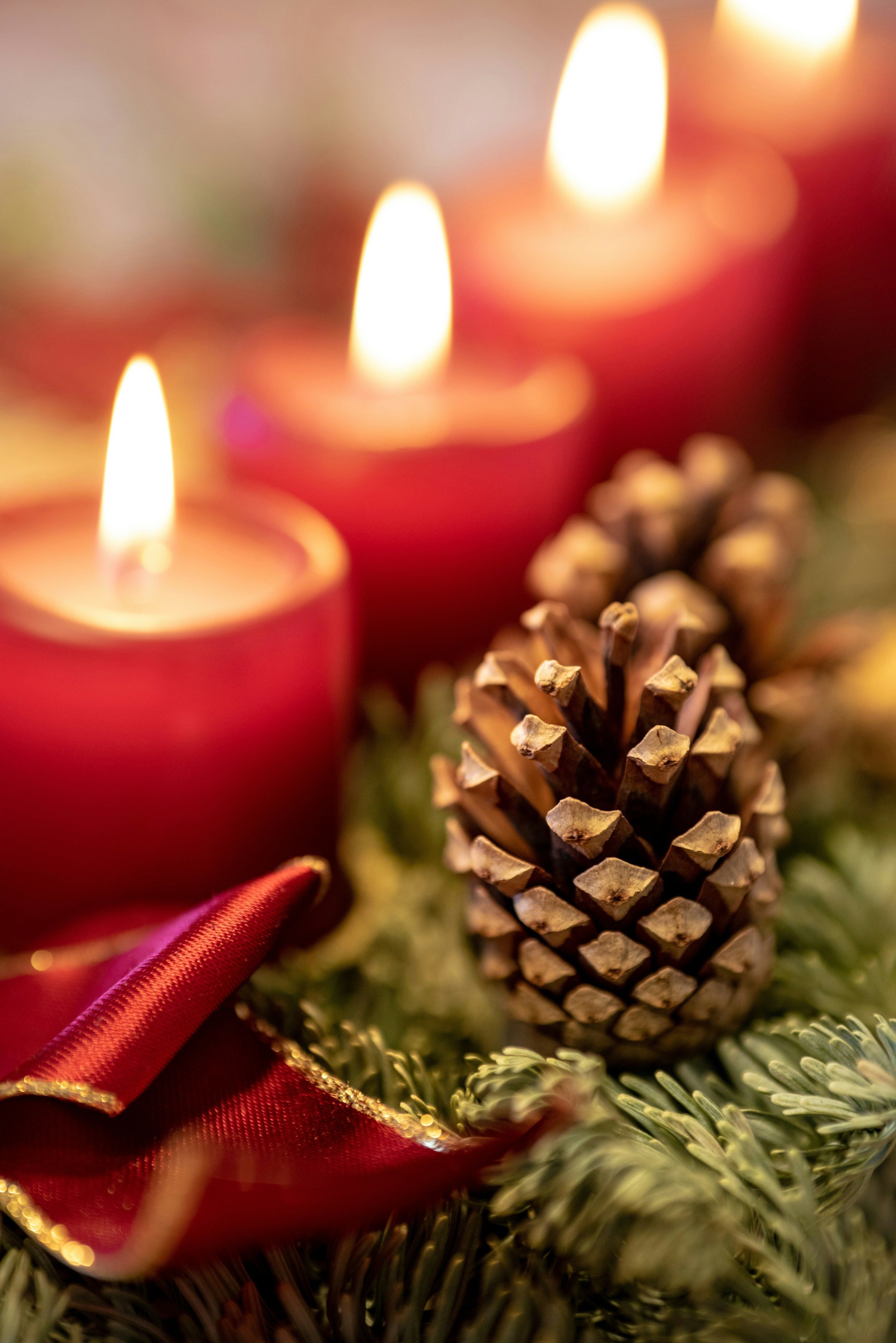

Reflection for Advent 3rd Sunday 12/14/25
Be patient, brothers and sisters, until the coming of the Lord. See how the farmer waits for the precious fruit of the earth, being patient with it until it receives the early and late rains. You too must be patient. Make your hearts firm, because the coming of the Lord is at hand. James 5:7-10
As a transplant to North Dakota, I am learning the cycles of crops, the uncertainty of weather and how they affect the quality of the crop. This past year’s late rains certainly had an impact on when fruit ripened, and how waiting is hard when the pattern of harvesting and canning is delayed to a time when another activity intervenes.
I am not a patient person—no surprise to those who know me well. I look back on times of waiting that have been joyful like awaiting the birth of a child and those times when it has been sad- like waiting for the phone to ring when I knew my brother’s death was imminent. Each of us has experienced this—waiting for test results, waiting for a long-awaited visit, waiting for bread to bake with the enticing smells, waiting for a sister’s last breath with songs and prayers.
This year, the Hallow app features the Advent theme of “be still”—specifically in the context of Psalm 46 which ends with the phrase “be still and know that I am God.” Mentioned in one of the earlier conversations between Jonathan Roumie and Alex Jones was the book The Ruthless Elimination of Hurry by John Mark Comer. As I read it a while back, I could identify how I impose artificial stress into my schedule by trying to do too much within an ever-shortening amount of time to accomplish everything I think I “should” do before Christmas.
Our oblate day of reflection was a break in the hurry of the Advent season to teach us the gifts of silence, prayer and solitude. We were led into silence with that phrase from Psalm 46 “...be still and know that I am God.” How fitting. We all feel the pressures of holiday preparation and welcome opportunities to step outside our self-imposed chaos to appreciate why we wait as Mary did, for the coming of God in our midst.
Several years ago, Jesuit Fr. Larry Gillick referenced a poem by Gerard Manley Hopkins about patience as a hard thing to pray for. Waiting, longing, wondering what’s taking so long, are experiences we’d rather avoid. Things for which we do not have to wait, things and persons who are automatically present and tend to be taken for granted are preferred. There is comfort in certainty—but yet we seek something in the human soul which draws us to the new, different and surprising. As we pray with the spirit of Advent, we want both the expected and the unexpected—God is present in both.
I often feel annoyance when I consider the “virtue” of patience. When I am impatient, I do not feel virtuous. I recognize an element of anger even when I know that it is unwarranted—there is nothing I can do about (fill in the blank with our many experiences of waiting in our existence). I do recognize that a significant portion of most of our lives is spent in waiting. It does, however, give me pause to reflect on how I wait. Rather than making it a near occasion of sin, I have the Advent opportunity to reflect on the many times in my life I have been called to exercise patience.
It is often said that if you live long enough, you will become your mother. I have lived long enough to hear my daughters say—“I’m becoming my mother.” This usually follows an utterance when they repeated some caution I had urged when they were smaller. My youngest daughter recently told her daughter that she could not have UGG’s because she would soon grow out of them—and also that they are an expensive status symbol that she did not need. Yup—sounds like me.
When I was eight or nine, I longed for the gift of figure skates. Each year the fire department would flood a local baseball diamond and create a skating rink. Each year I would hear my mother wisely say, “When your feet have stopped growing, you may get figure skates.” She urged patience. Shortly before I turned twelve, the skates magically appeared beneath the tree. Yes, they were too big, but I could control them by stuffing the toes with extra socks until they fit without them. I can still wear them and gave them away a few years ago when sanity told me that ice skating—as well as skiing—probably should be relegated to memory instead of broken bones.
Advent in the darkness is where God seeks us. While I am not patient, God waits patiently for me—not to be perfectly virtuous, but open to God’s abundant love.
